
As you embark on your journey toward optimal health, we’re excited to introduce you to our Healthy Life page — a resource filled with tips, recipes, and real-world strategies to help you stay on track.
Making mindful nutritional choices throughout your day lays the foundation for long-term success. We’re here to guide you, offering encouragement and weekly ideas — including healthy alternatives to common food choices — that align with your health goals and lifestyle.
Where your focus goes, your energy flows.
Eat consistently throughout the day to maintain energy, digestion, and focus. Avoid skipping meals and listen to your body's natural rhythms.
Choose whole, fresh foods — vegetables, lean proteins, fruits, whole grains, and healthy fats.
Be present while eating. Chew slowly, savor the experience, and stay hydrated.
Even small daily changes can lead to big transformations over time.
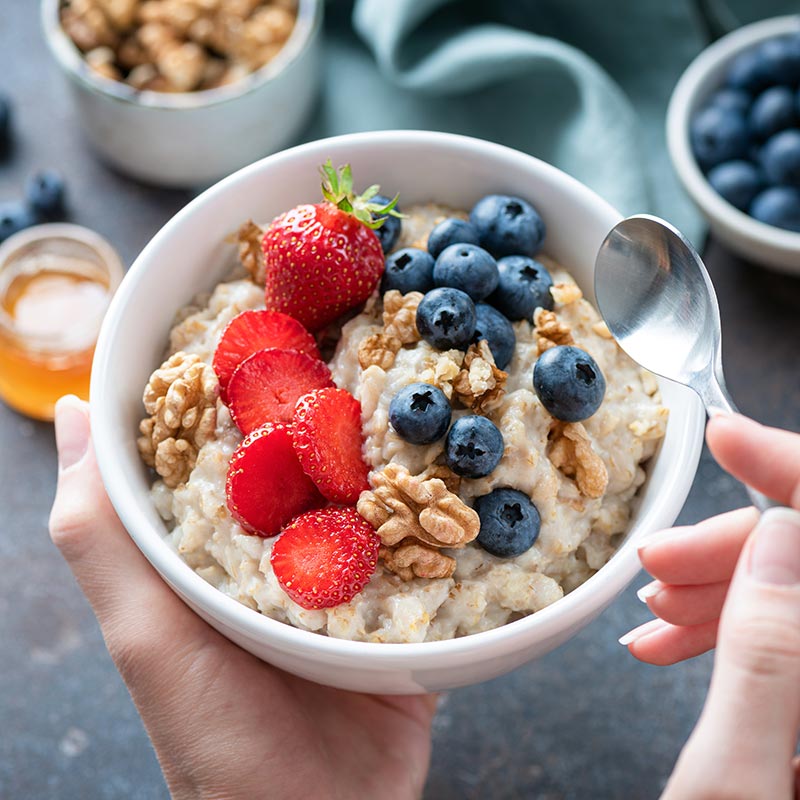

Eating well doesn’t just help you feel better — it supports your body in preventing or managing chronic illnesses like:
Monitor sugar and carbohydrate intake.
Reduce sodium and limit fluid intake.
Avoid high-protein diets that can strain kidney function.
Before making significant changes to your diet, consult with your primary care provider or a certified dietitian to ensure the best plan for your individual needs.
Processed foods, boxed meals, or canned items with additives and preservatives
Fresh fruits, vegetables, whole grains (like brown rice, whole wheat bread/pasta)
Refined carbs like white bread or white rice
The more colorful your plate, the broader your nutrient intake
Start your day with energy and intention. Skip the sugar-heavy options and go for:
Sustainability is key:
If you’re in recovery from drug or alcohol addiction, nutrition is critical — but you don’t have to navigate it alone.
1 small butternut squash, peeled and cubed
2 parsnips, sliced into half-moons
1 large red onion, cut into wedges
2 cups broccoli
2 tablespoons olive oil
1 teaspoon smoked paprika
1 teaspoon dried thyme
½ teaspoon cinnamon
Salt and black pepper to taste
1 cup uncooked millet
2 ¼ cups vegetable broth
1 bay leaf
1 tablespoon lemon juice
Salt to taste
¼ cup tahini
1 tablespoon maple syrup
1 tablespoon apple cider vinegar
1 teaspoon Dijon mustard
2–3 tablespoons warm water (to thin)
Salt and pepper, to taste
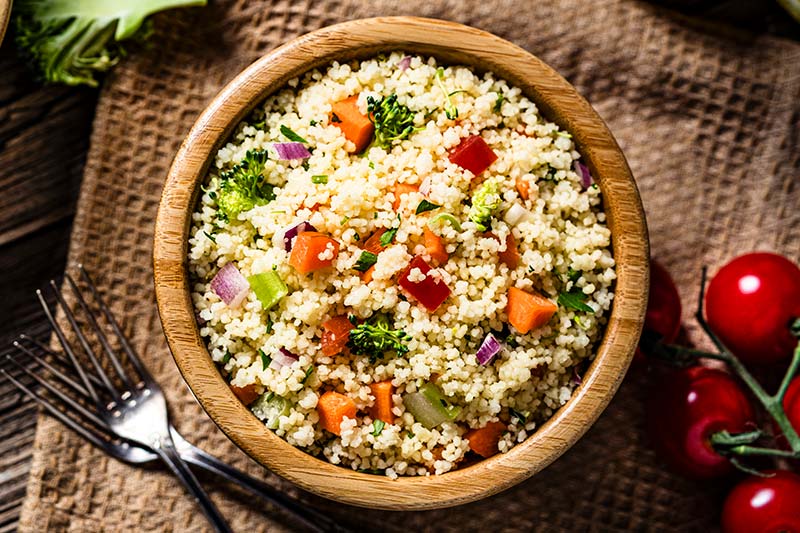
1. Roast the Winter Vegetables:
2. Cook the Herbed Millet
3. Make the Maple-Tahini Dressing
4. Assemble the Bowl